
What Is Invisalign and Why Is Everyone Talking About It?
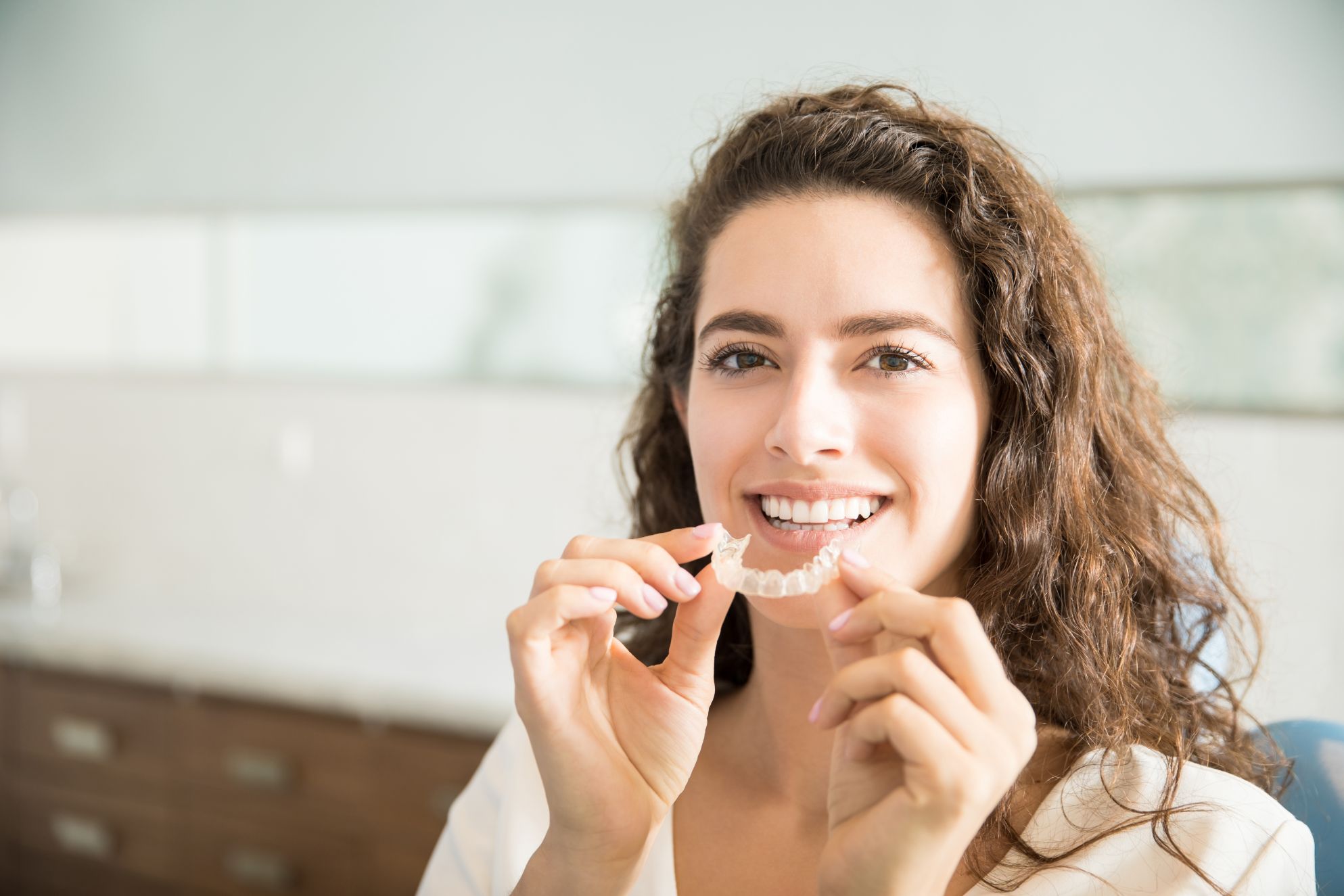
Invisalign is an orthodontic system that uses custom-made clear plastic aligners, sometimes called clear aligners, to gradually shift teeth into their ideal positions without metal brackets or wires. For most adults and teens with mild to moderate alignment issues, Invisalign is worth the investment. Nearly invisible appearance, removable convenience, and predictable results make it a strong choice for anyone looking to achieve the smile they want without traditional braces.
Over 17 million patients worldwide have been treated with this system since its introduction in 1997. Unlike traditional braces, these aligners are removable, nearly invisible when worn, and get swapped out every one to two weeks as your teeth move.
So what sets Invisalign apart from generic clear aligner brands you might find online? Two key technologies: SmartTrack material and 3D ClinCheck planning. SmartTrack is a proprietary plastic engineered specifically for tooth movement, while ClinCheck lets your orthodontist map out your entire treatment digitally before you even start. You can actually see a preview of your future smile. Board-certified orthodontists use these tools to create precise, individualized treatment plans for each patient.
From mild spacing issues to more complex orthodontic cases, the system handles a wide range of concerns, though results depend heavily on the expertise of your provider.
.
Over 17 million patients worldwide have been treated with this system since its introduction in 1997. Unlike traditional braces, these aligners are removable, nearly invisible when worn, and get swapped out every one to two weeks as your teeth move.
So what sets Invisalign apart from generic clear aligner brands you might find online? Two key technologies: SmartTrack material and 3D ClinCheck planning. SmartTrack is a proprietary plastic engineered specifically for tooth movement, while ClinCheck lets your orthodontist map out your entire treatment digitally before you even start. You can actually see a preview of your future smile. Board-certified orthodontists use these tools to create precise, individualized treatment plans for each patient.
From mild spacing issues to more complex orthodontic cases, the system handles a wide range of concerns, though results depend heavily on the expertise of your provider.
How Does Invisalign Work? The Treatment Process Explained
Understanding what you’re signing up for makes the decision easier. Here’s how the Invisalign process unfolds from start to finish:
Understanding what you’re signing up for makes the decision easier. Here’s how the Invisalign process unfolds from start to finish:
- Your orthodontist takes digital scans of your teethYour orthodontist takes digital scans of your teeth using technology like the iTero scanner. These create a precise 3D model of your mouth, which becomes the foundation for your custom treatment plan. Board-certified orthodontists use iTero scanning and ClinCheck planning to customize each patient’s treatment from day one. using technology like the iTero scanner. These create a precise 3D model of your mouth, which becomes the foundation for your custom treatment plan. Board-certified orthodontists use iTero scanning and ClinCheck planning to customize each patient’s treatment from day one.
- Custom aligner fabrication.Custom aligner fabrication. Based on your 3D scans, a series of aligners gets manufactured specifically for your teeth. Each set is designed to make incremental adjustments, moving your teeth fraction by fraction toward their final positions. Based on your 3D scans, a series of aligners gets manufactured specifically for your teeth. Each set is designed to make incremental adjustments, moving your teeth fraction by fraction toward their final positions.
- Daily wear and regular switching.Daily wear and regular switching. Wear your aligners 20 to 22 hours per day, removing them only for eating, drinking anything besides water, and brushing. Every one to two weeks, you switch to the next set. Wear your aligners 20 to 22 hours per day, removing them only for eating, drinking anything besides water, and brushing. Every one to two weeks, you switch to the next set.
- Progress check-ins.Progress check-ins. Periodic visits with your orthodontist let them monitor your progress and make any necessary adjustments. These appointments are typically quick and less frequent than traditional braces check-ins. Most patients find these visits straightforward, lasting around 15 to 20 minutes. Periodic visits with your orthodontist let them monitor your progress and make any necessary adjustments. These appointments are typically quick and less frequent than traditional braces check-ins. Most patients find these visits straightforward, lasting around 15 to 20 minutes.
- Retention phase.Retention phase. Once your teeth reach their new positions, you’ll wear a retainer to keep them there. This step is crucial, and skipping it is the fastest way to watch your results slip away. Plenty of patients underestimate how important retainer wear really is. Don’t be one of them. Once your teeth reach their new positions, you’ll wear a retainer to keep them there. This step is crucial, and skipping it is the fastest way to watch your results slip away. Plenty of patients underestimate how important retainer wear really is. Don’t be one of them.
The entire process typically takes 12 to 18 months for most cases, though your specific timeline depends on what needs correcting.
The entire process typically takes 12 to 18 months for most cases, though your specific timeline depends on what needs correcting.
Invisalign Pros and Cons: An Honest Breakdown
Let’s get real about what Invisalign does well and where it falls short. No treatment is perfect for everyone, and knowing both sides helps you make a smart choice.
Let’s get real about what Invisalign does well and where it falls short. No treatment is perfect for everyone, and knowing both sides helps you make a smart choice.
What Are the Pros of Invisalign?
- Nearly invisible appearance.Nearly invisible appearance. Clear aligners let you work toward straighter teeth without announcing it to the world. This matters for professionals, adults who feel self-conscious about braces, and anyone who simply prefers discretion. Clear aligners let you work toward straighter teeth without announcing it to the world. This matters for professionals, adults who feel self-conscious about braces, and anyone who simply prefers discretion.
- Removable for eating and cleaning.Removable for eating and cleaning. Pop out your aligners for meals and enjoy whatever you want. No food restrictions. Brushing and flossing happen normally too, which keeps your oral hygiene on track during treatment. Pop out your aligners for meals and enjoy whatever you want. No food restrictions. Brushing and flossing happen normally too, which keeps your oral hygiene on track during treatment.
- Fewer emergency visits.Fewer emergency visits. Without brackets that can break or wires that can poke, you’ll likely spend less time dealing with unexpected orthodontic issues. That alone saves real time and hassle over the course of treatment. Without brackets that can break or wires that can poke, you’ll likely spend less time dealing with unexpected orthodontic issues. That alone saves real time and hassle over the course of treatment.
- Predictable planning.Predictable planning. That 3D treatment preview isn’t just cool. It gives both you and your orthodontist a clear plan and realistic expectations from the start. That 3D treatment preview isn’t just cool. It gives both you and your orthodontist a clear plan and realistic expectations from the start.
What Are the Cons of Invisalign?
- Requires serious discipline.Requires serious discipline. Results depend entirely on wearing your aligners the recommended 20-plus hours daily. If you’re constantly forgetting them or taking them out, treatment stalls. There’s no way around this one. Results depend entirely on wearing your aligners the recommended 20-plus hours daily. If you’re constantly forgetting them or taking them out, treatment stalls. There’s no way around this one.
- Not suitable for every case.Not suitable for every case. Severe skeletal issues, complex vertical corrections, and certain bite problems may still need traditional braces or even surgical intervention. Your orthodontist can tell you upfront whether Invisalign is the right fit. Severe skeletal issues, complex vertical corrections, and certain bite problems may still need traditional braces or even surgical intervention. Your orthodontist can tell you upfront whether Invisalign is the right fit.
- Lost aligners add to your investment.Lost aligners add to your investment. Misplace a set of trays and you’ll pay for replacements, which can be frustrating. Teens and anyone prone to losing things should keep this in mind. Misplace a set of trays and you’ll pay for replacements, which can be frustrating. Teens and anyone prone to losing things should keep this in mind.
- Attachments may be needed.Attachments may be needed. Many cases require small tooth-colored “buttons” bonded to teeth to help aligners grip better. These are visible up close and add a step to the process. Many cases require small tooth-colored “buttons” bonded to teeth to help aligners grip better. These are visible up close and add a step to the process.
Invisalign vs. Traditional Braces: How Do They Compare?
Both treatment solutions effectively correct alignment issues, but they do it differently. Here’s how they stack up:
Both treatment solutions effectively correct alignment issues, but they do it differently. Here’s how they stack up:
| FactorFactor | InvisalignInvisalign | Traditional BracesTraditional Braces |
|---|---|---|
| AppearanceAppearance | Nearly invisible clear plasticNearly invisible clear plastic | Visible metal or ceramic bracketsVisible metal or ceramic brackets |
| ComfortComfort | Smooth plastic, minimal irritationSmooth plastic, minimal irritation | Wires and brackets can irritate cheeksWires and brackets can irritate cheeks |
| RemovabilityRemovability | Fully removable for eating and cleaningFully removable for eating and cleaning | Stays on throughout treatmentStays on throughout treatment |
| Diet restrictionsDiet restrictions | NoneNone | Avoid hard, sticky, and crunchy foodsAvoid hard, sticky, and crunchy foods |
| Treatment timeTreatment time | 12 to 18 months average12 to 18 months average | 12 to 24 months average12 to 24 months average |
| Best forBest for | Mild to moderate cases, aesthetic concernsMild to moderate cases, aesthetic concerns | Complex cases, severe bite issuesComplex cases, severe bite issues |
| Compliance neededCompliance needed | High (self-managed wear time)High (self-managed wear time) | Low (always working)Low (always working) |
For many patients, the choice comes down to lifestyle. Do you want the flexibility of removable aligners? Or would you prefer braces that work around the clock without requiring your willpower? Big difference.
Braces remain the gold standard for severe crowding, significant bite corrections, and cases requiring precise tooth rotations. But for the right candidate, Invisalign delivers comparable results with added convenience. Many patients choose Invisalign for the lifestyle flexibility it offers.
For many patients, the choice comes down to lifestyle. Do you want the flexibility of removable aligners? Or would you prefer braces that work around the clock without requiring your willpower? Big difference.
Braces remain the gold standard for severe crowding, significant bite corrections, and cases requiring precise tooth rotations. But for the right candidate, Invisalign delivers comparable results with added convenience. Many patients choose Invisalign for the lifestyle flexibility it offers.
The True Cost of Invisalign: What Affects the Price?
Invisalign treatment often ranges from $3,000 to $8,000, depending on case complexity, treatment length, geographic location, and provider experience. Most dental insurance plans that cover orthodontics treat Invisalign the same as braces.
So what drives your specific number within that range? Case complexity plays the biggest role. Simple spacing issues require fewer aligners and less time than correcting crowding, bite problems, and rotations all at once. Treatment length matters too, since more aligners over a longer period means a higher investment. Where you live also factors in, as orthodontic fees reflect the local market and vary from practice to practice. Finally, provider experience makes a difference. Orthodontists with extensive Invisalign training may charge more, but they often deliver better outcomes.
Many practices offer flexible financing to make treatment easier to afford. Options like $0 down plans, low monthly payments, and HSA/FSA account compatibility can significantly reduce what you pay out of pocket each month.
When calculating value, consider the full picture. Fewer visits to the practice save time. Better oral hygiene during treatment reduces cavity risk. And the confidence boost from a smile you love? That’s harder to put a price on.
Invisalign treatment often ranges from $3,000 to $8,000, depending on case complexity, treatment length, geographic location, and provider experience. Most dental insurance plans that cover orthodontics treat Invisalign the same as braces.
So what drives your specific number within that range? Case complexity plays the biggest role. Simple spacing issues require fewer aligners and less time than correcting crowding, bite problems, and rotations all at once. Treatment length matters too, since more aligners over a longer period means a higher investment. Where you live also factors in, as orthodontic fees reflect the local market and vary from practice to practice. Finally, provider experience makes a difference. Orthodontists with extensive Invisalign training may charge more, but they often deliver better outcomes.
Many practices offer flexible financing to make treatment easier to afford. Options like $0 down plans, low monthly payments, and HSA/FSA account compatibility can significantly reduce what you pay out of pocket each month.
When calculating value, consider the full picture. Fewer visits to the practice save time. Better oral hygiene during treatment reduces cavity risk. And the confidence boost from a smile you love? That’s harder to put a price on.
Who Is Invisalign Best For? Ideal Candidates by Age and Case Type
Invisalign works beautifully for many people, but it’s not universal. Here’s who tends to get the best results.
Invisalign works beautifully for many people, but it’s not universal. Here’s who tends to get the best results.
Is Invisalign a Good Option for Adults?
Adults are among the most successful Invisalign patients. Motivation and compliance make all the difference. When you’re investing in treatment yourself and genuinely want results, you’re far more likely to wear your aligners consistently. The discreet appearance also appeals to working professionals who’d rather not explain braces in meetings or client calls. Many adult patients say they wish they’d started sooner.
Adults are among the most successful Invisalign patients. Motivation and compliance make all the difference. When you’re investing in treatment yourself and genuinely want results, you’re far more likely to wear your aligners consistently. The discreet appearance also appeals to working professionals who’d rather not explain braces in meetings or client calls. Many adult patients say they wish they’d started sooner.
Does Invisalign Work for Teens?
Invisalign Teen was designed specifically for adolescents, with features like compliance indicators (small blue dots that fade with wear) and replacement aligners for inevitable losses. Responsible teens can absolutely thrive with Invisalign. That said, parents should honestly assess their child’s maturity level before choosing this route. A teen who loses their phone weekly might struggle to keep track of aligners.
Invisalign Teen was designed specifically for adolescents, with features like compliance indicators (small blue dots that fade with wear) and replacement aligners for inevitable losses. Responsible teens can absolutely thrive with Invisalign. That said, parents should honestly assess their child’s maturity level before choosing this route. A teen who loses their phone weekly might struggle to keep track of aligners.
What Cases Does Invisalign Treat Best?
- Mild to moderate crowdingMild to moderate crowding
- Gaps between teethGaps between teeth
- Certain overbites and underbitesCertain overbites and underbites
- Minor crossbitesMinor crossbites
- General alignment refinementGeneral alignment refinement
When Might Alternatives Be a Better Fit?
Some orthodontic situations call for a different approach. Cases involving the following typically respond better to traditional braces or combined treatment:
Some orthodontic situations call for a different approach. Cases involving the following typically respond better to traditional braces or combined treatment:
- Severe underbites requiring jaw repositioningSevere underbites requiring jaw repositioning
- Complex tooth rotationsComplex tooth rotations
- Significant vertical issuesSignificant vertical issues
- Very young children whose jaws are still developingVery young children whose jaws are still developing
The only way to know for certain whether Invisalign will work for your specific situation is a consultation with an orthodontist. Not a general dentist, not an online quiz. An orthodontist who can examine your teeth, bite, and jaw relationship in person.
The only way to know for certain whether Invisalign will work for your specific situation is a consultation with an orthodontist. Not a general dentist, not an online quiz. An orthodontist who can examine your teeth, bite, and jaw relationship in person.
Frequently Asked Questions About Invisalign
How long does Invisalign treatment take?
Most patients complete treatment in 12 to 18 months, though simpler cases may finish faster and complex ones can take longer. Your orthodontist will give you a realistic timeline during your consult based on your specific needs.
Most patients complete treatment in 12 to 18 months, though simpler cases may finish faster and complex ones can take longer. Your orthodontist will give you a realistic timeline during your consult based on your specific needs.
Does Invisalign hurt?
Mild pressure is normal when switching to new aligners, which signals the treatment is working. Most patients find this sensation much more manageable than the tightening associated with traditional braces, and it usually fades within a day or two.
Mild pressure is normal when switching to new aligners, which signals the treatment is working. Most patients find this sensation much more manageable than the tightening associated with traditional braces, and it usually fades within a day or two.
Can Invisalign correct an overbite?
Yes, moderate overbites often respond well to Invisalign treatment. The aligners can gradually shift both the position of your teeth and your bite relationship. Severe overbites with skeletal components may need additional intervention.
Yes, moderate overbites often respond well to Invisalign treatment. The aligners can gradually shift both the position of your teeth and your bite relationship. Severe overbites with skeletal components may need additional intervention.
Is Invisalign worth it for adults?
Adults are often ideal candidates because they’re highly motivated and consistent with wear time. If you’ve been self-conscious about your smile for years, finally addressing it can make a real difference in how you feel day to day. After all, when you love your smile, you’re more open, more honest, and more you. Many adults report a real boost in confidence once they see their results taking shape.
Adults are often ideal candidates because they’re highly motivated and consistent with wear time. If you’ve been self-conscious about your smile for years, finally addressing it can make a real difference in how you feel day to day. After all, when you love your smile, you’re more open, more honest, and more you. Many adults report a real boost in confidence once they see their results taking shape.
Do Invisalign results last permanently?
Yes, Invisalign results can last a lifetime with consistent retainer wear after treatment. Teeth naturally want to drift back toward their original positions, so wearing your retainer as directed keeps your smile exactly where you worked to put it.
Yes, Invisalign results can last a lifetime with consistent retainer wear after treatment. Teeth naturally want to drift back toward their original positions, so wearing your retainer as directed keeps your smile exactly where you worked to put it.
How often do I need to visit the orthodontist during treatment?
Most patients visit every six to eight weeks, though this varies by practice and case. These check-ins are usually quick, often just 15 to 20 minutes. Your orthodontist will let you know the right schedule for your treatment plan.
So, is Invisalign worth it? For the right candidate, absolutely. The combination of aesthetics, convenience, and effectiveness makes it a strong choice for teens and adults weighing the pros, cons, and who it works best for, and deciding they want straighter teeth without the look of traditional braces.
The key is working with an experienced orthodontist who can honestly assess whether Invisalign suits your specific case. A board-certified orthodontist will evaluate your teeth, bite, and overall alignment to recommend the best path to the results you want.
Ready to find out if Invisalign is the right fit? Schedule a free consult with an orthodontist to get answers based on your teeth and bite, and see what your smile could look like.
Most patients visit every six to eight weeks, though this varies by practice and case. These check-ins are usually quick, often just 15 to 20 minutes. Your orthodontist will let you know the right schedule for your treatment plan.
So, is Invisalign worth it? For the right candidate, absolutely. The combination of aesthetics, convenience, and effectiveness makes it a strong choice for teens and adults weighing the pros, cons, and who it works best for, and deciding they want straighter teeth without the look of traditional braces.
The key is working with an experienced orthodontist who can honestly assess whether Invisalign suits your specific case. A board-certified orthodontist will evaluate your teeth, bite, and overall alignment to recommend the best path to the results you want.
Ready to find out if Invisalign is the right fit? Schedule a free consult with an orthodontist to get answers based on your teeth and bite, and see what your smile could look like.